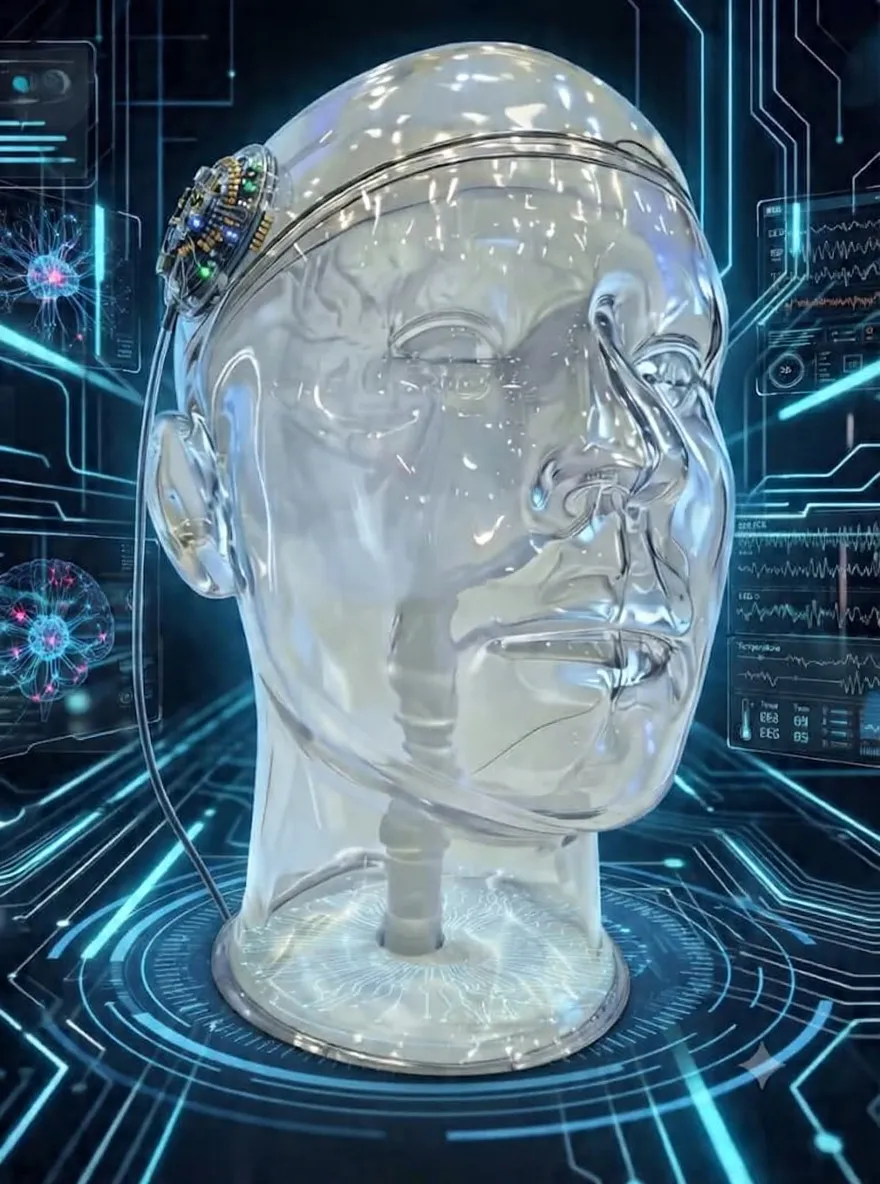
China has reached a significant milestone in healthcare innovation by completing the world's first commercial Brain-Computer Interface (BCI) implant surgery using the NEO system in Shanghai.
The achievement marks an important step in the evolution of Brain-Computer Interface technology, demonstrating its transition from experimental research into approved clinical use. Following regulatory approval and the issuance of the first prescription, the successful procedure represents a new chapter in neurotechnology and rehabilitation medicine.
What Is a Brain-Computer Interface?
A Brain-Computer Interface (BCI) is a system that enables direct communication between the brain and an external device.
Instead of relying solely on muscles or nerves to perform actions, a BCI captures electrical signals generated by the brain, interprets them using advanced algorithms, and converts them into commands that can control assistive technologies.
Researchers believe this technology has the potential to improve the lives of people affected by neurological disorders, spinal cord injuries, paralysis, and certain movement impairments.
The Patient's Journey
The first recipient of the commercial NEO system, identified as Xu, suffered a spinal cord injury in a road accident ten years ago, resulting in impaired hand-grip function.
According to publicly available information, the system is designed to recognise the patient's movement intentions by decoding brain signals. These signals are then transmitted to an external assistive device, creating a communication pathway that may support hand-grasping ability during rehabilitation.
Xu expressed hope that the technology would improve daily life and eventually help achieve personal goals such as climbing stairs and regaining movement in the fingers of the right hand.
Advanced Surgical Planning
Before the implant procedure, specialists at Fudan University-affiliated Huashan Hospital carried out extensive pre-operative planning.
Doctors used functional magnetic resonance imaging (fMRI) together with brain structure simulations to determine the optimal location for electrode placement. Such planning is intended to maximise signal quality while supporting accurate interpretation of neural activity.
Initial post-operative assessments reportedly showed stable and high-quality brain signal performance.
Rehabilitation After Surgery
The implantation procedure is only one stage of the treatment process.
Following recovery from surgery, the patient is expected to begin:
- Device activation
- Brain signal calibration
- Rehabilitation training
- Ongoing medical monitoring
- Functional assessments
Healthcare professionals will continue evaluating how effectively the system supports movement during rehabilitation.
Why This Matters
Brain-Computer Interface technology represents one of the fastest-growing areas of medical innovation.
Potential future applications include:
- Restoring communication for patients with paralysis
- Supporting movement after spinal cord injuries
- Assisting stroke rehabilitation
- Controlling prosthetic limbs
- Improving independence for people with severe neurological conditions
Although the technology continues to evolve, experts emphasise that long-term clinical studies remain essential to fully understand its safety, effectiveness, and broader applications.
Looking Ahead
The successful commercial use of the NEO Brain-Computer Interface highlights the rapid progress being made in neuroscience, biomedical engineering, and artificial intelligence.
As research continues, future developments could expand treatment options for millions of people living with neurological disabilities, potentially improving mobility, independence, and quality of life.
While further clinical evaluation is necessary, this milestone demonstrates how emerging technologies may reshape rehabilitation medicine in the years ahead.
Disclaimer: This article is for informational purposes only and is based on publicly available information. It should not be interpreted as medical advice or an endorsement of any specific technology, manufacturer, or treatment. Readers should consult qualified healthcare professionals for medical guidance.